

Subversive Strains in Contemporary Art
The power of contemporary art — the discipline I’ve spent over ten years mapping out from a global perspective — is often revealed not by what it creates — but by what it overturns.
Academics and professionals refer to this as subversion, a phenomenon that manifests itself in too many different ways to count. Yet however you approach it, it’s what makes contemporary art distinct from that of previous centuries.
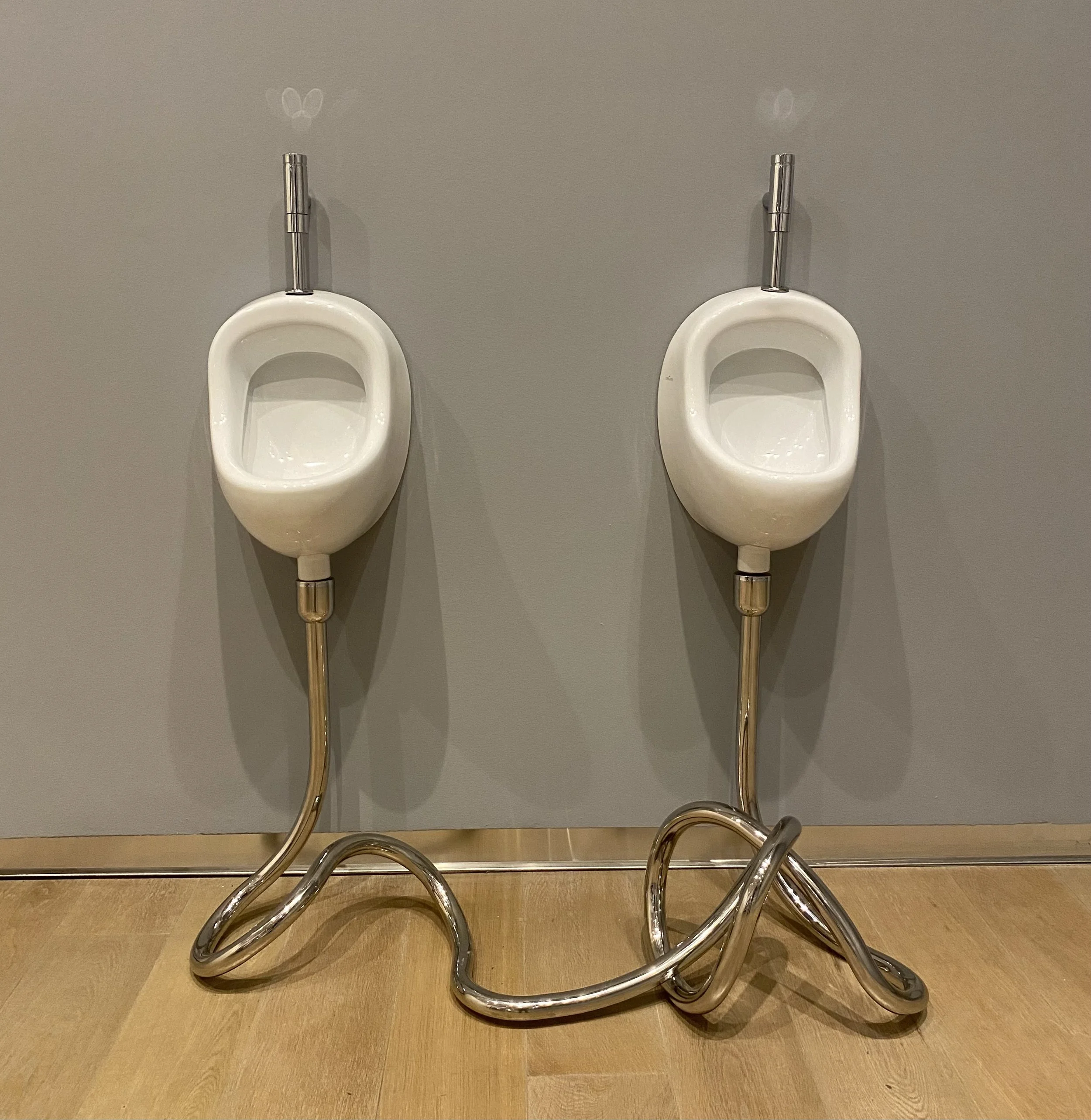
Scandinavian duo Elmgreen & Dragset (b. 1961 & 1969) directly subverted Marcel Duchamp's (1887-1968) iconic Fountain (1917) in their paired urinal installation, Gay Marriage (2010) by twisting the readymade into a symbol of messy, entangled union, challenging the societal institution of marriage itself.
For art to subvert is to strategically hijack an existing framework — whether a medium, a material, or an institution — and turn it against its own conventions.
This methodology finds its seminal moment in Marcel Duchamp’s sculpture Fountain (1917). By presenting a mass-produced urinal as a sculpture, he performed the quintessential act of subversion.
Subversion redirects the fundamental question from "What is art?" to "Where does its meaning reside?" This redefines the artist's role from creator to philosopher-provocateur.
The enduring legacy is an artistic landscape where subversion itself becomes the medium for meaning making, continuously challenging frameworks through which we assign value and truth.
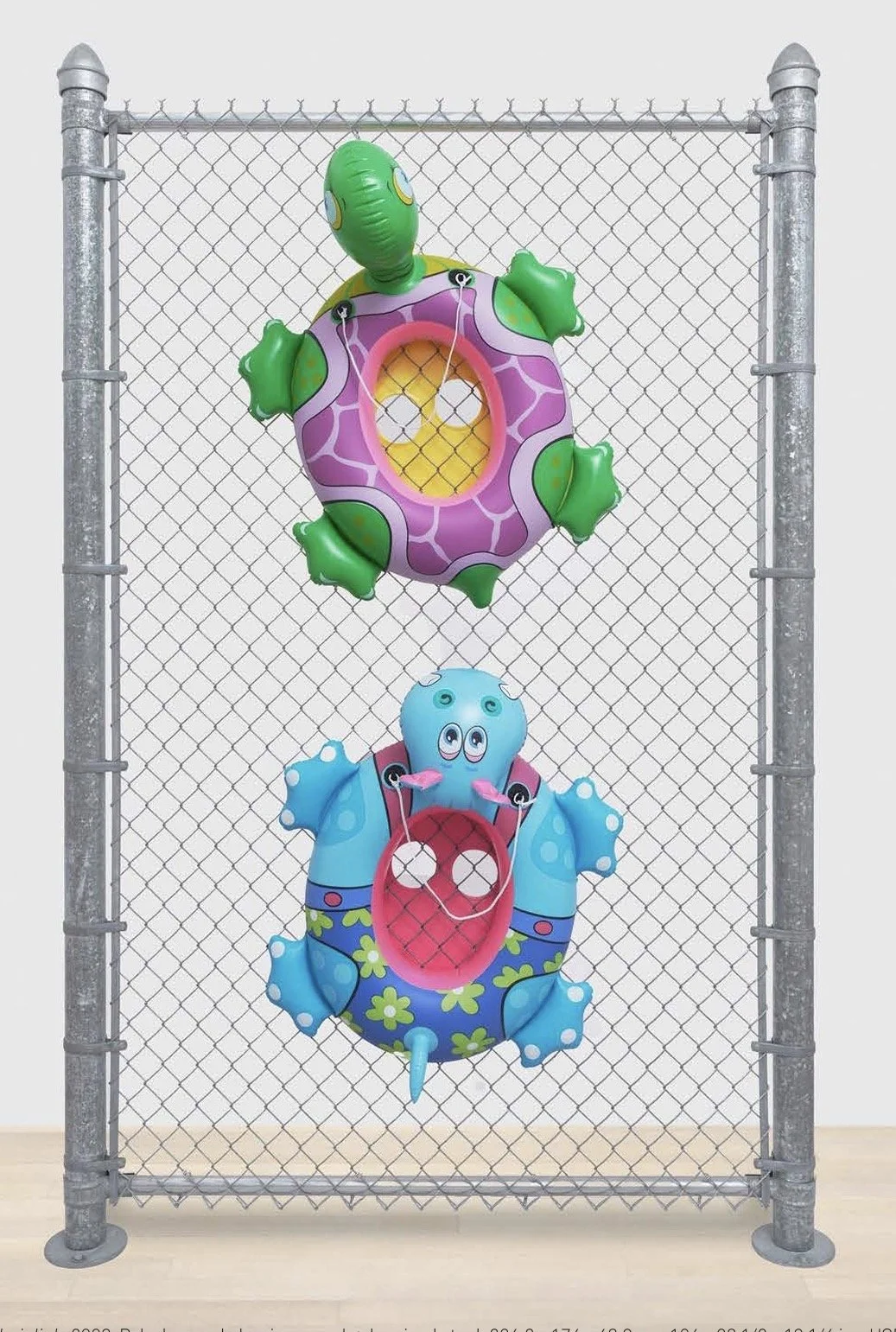
in Chainlink (2003), to be shown at Art Basel Miami Beach 2025 by Almine Rech, Jeff Koons (b. 1955) subverts the readymade by fabricating steel replicas of inexpensive pool floats, trapping them in a state of playful tension against an industrial fence.
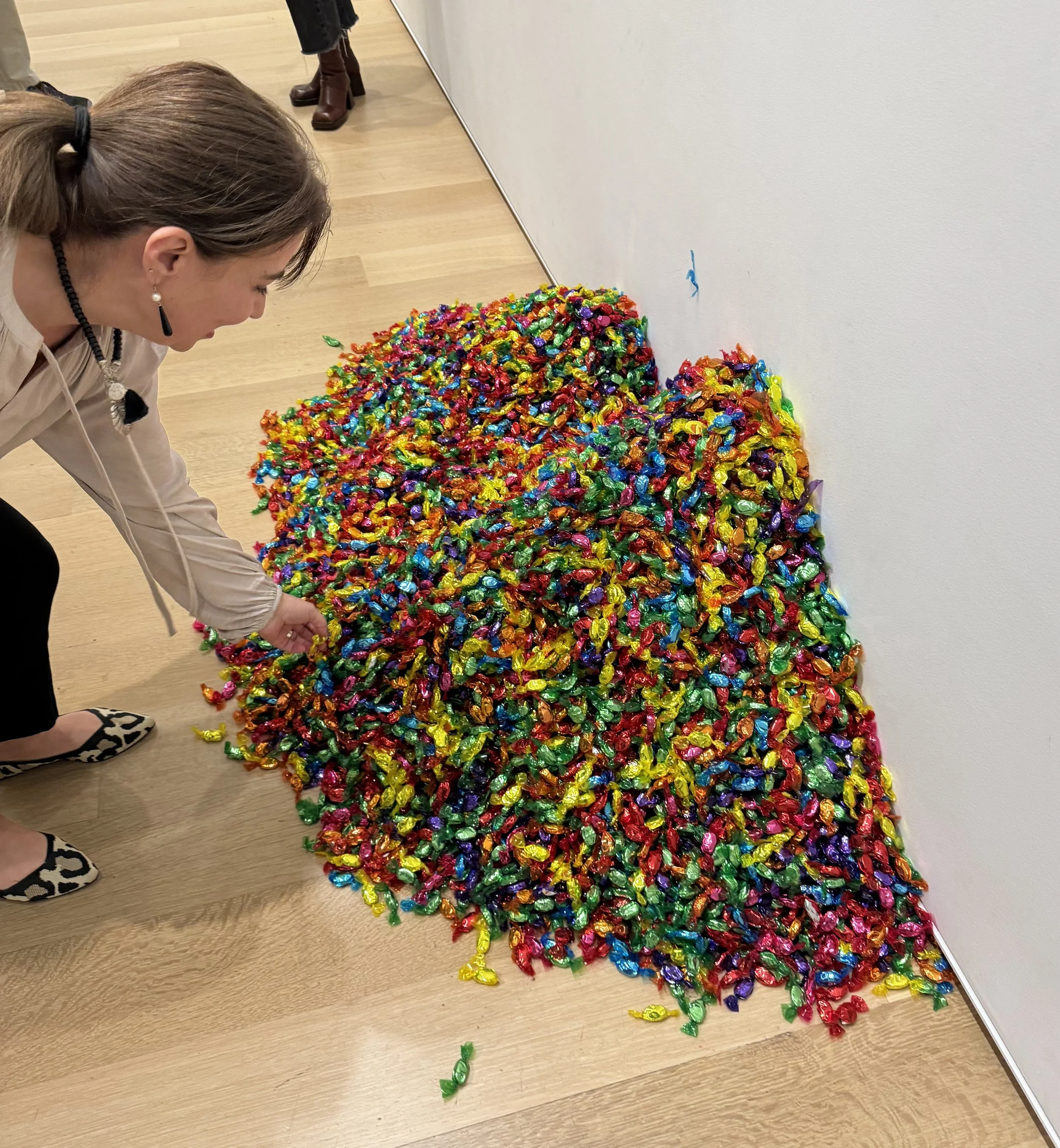
Félix González-Torres’s (1957-1996) Untitled (Portrait of Ross in L.A.) (1991) turns an infinitely replenishable pile of candy (meant to be taken and consumed by viewers) into an anti-monument of loss and collective participation, challenging art's permanence and its relationship to the audience.
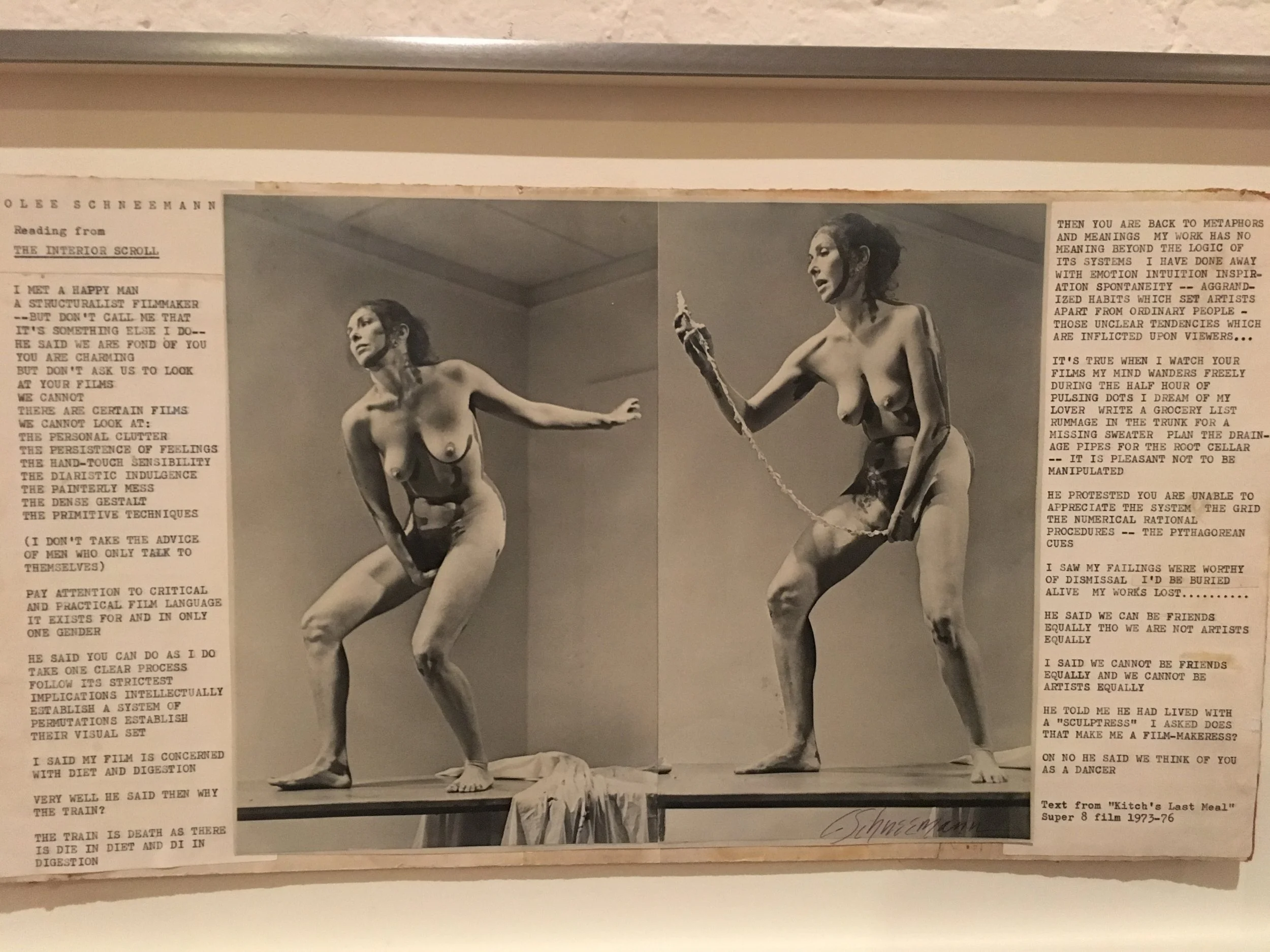
In her seminal performance work Interior Scroll (1975), Carolee Schneemann (1939-2019) subverted the patriarchy of the art world, reclaiming the female body as a source of knowledge by performing the radical act of extracting a scroll from her vagina to read a text critiquing misogyny.
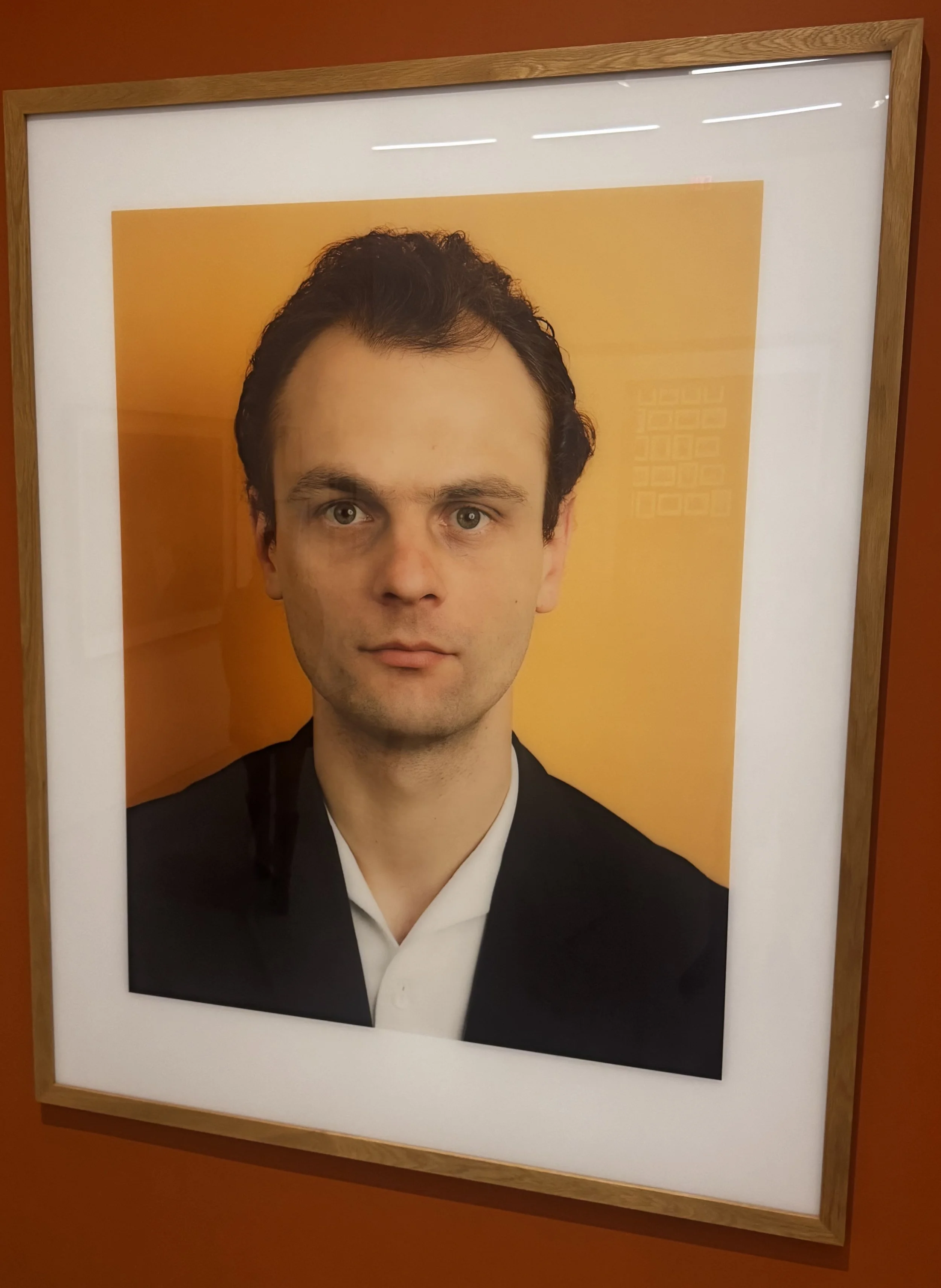
In a series of portraits from the 1980s, Dusseldorf School photographer Thomas Ruff (b. 1958) subverted the tradition of representation by presenting passport-style photographs as monumental, emotionally neutral images, challenging the genre's goal of revealing character.
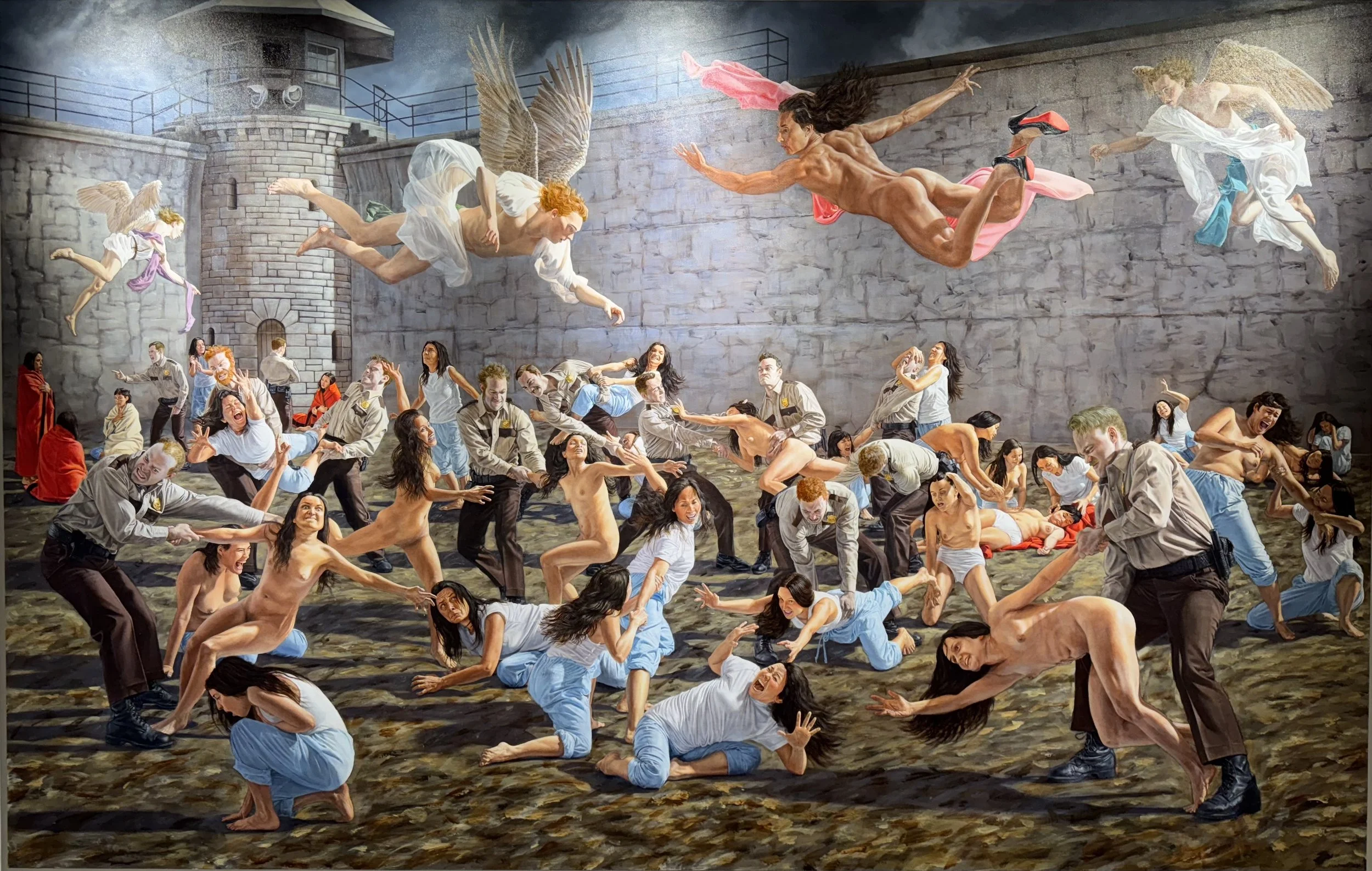
By hijacking the scale and drama of classical European history painting, Canadian First Nations (Cree) artist Kent Monkman‘s (b. 1965) The Madhouse (2020) subverts tradition to expose the chaotic asylum not as a scene of individual pathology, but as a direct consequence of the colonial project's institutional madness.
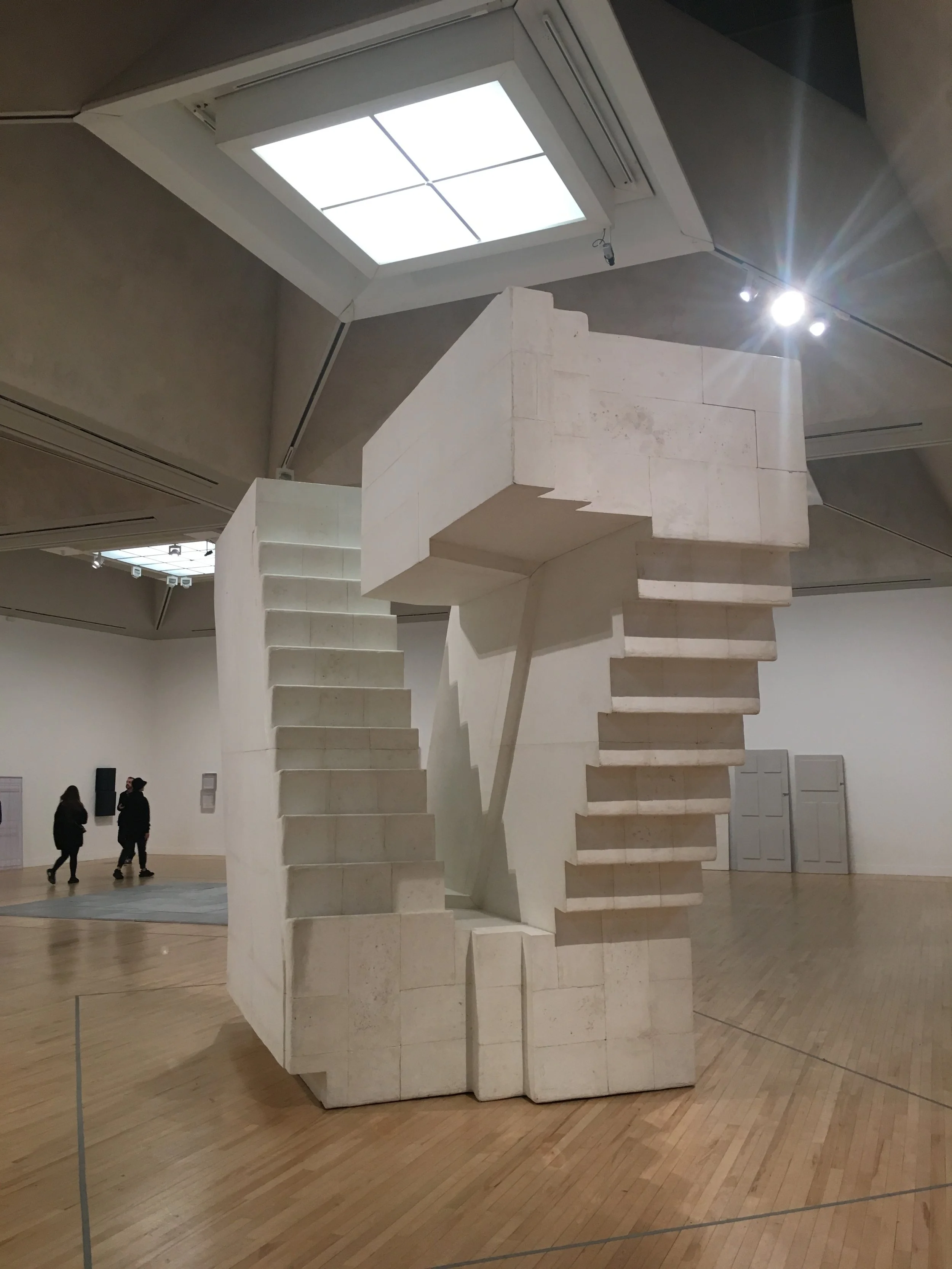
Sculpture typically represents objective presence, but in the work of Rachel Whiteread (b. 1963) this logic is inverted by her casting the negative (i.e. empty) space of domestic interiors and architecture. In this artwork, shown at Tate Britain in 2017, Whiteread transforms the void within a staircase into a solid, tangible monument.
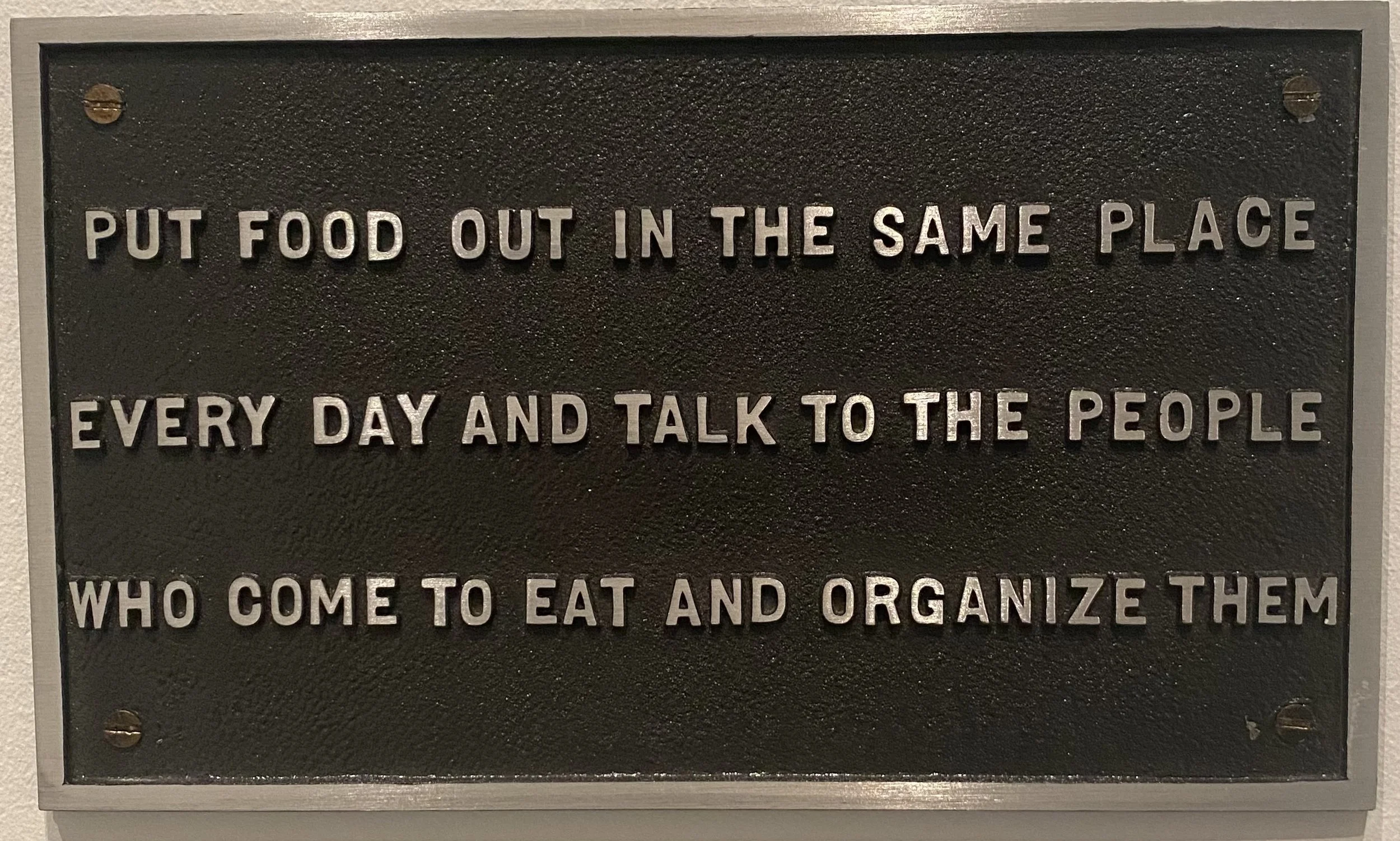
The politically charged work of Jenny Holzer (b. 1950) hijacks the formal language of public monuments and official plaques, inscribing them with instructional texts like to challenge institutional authority.
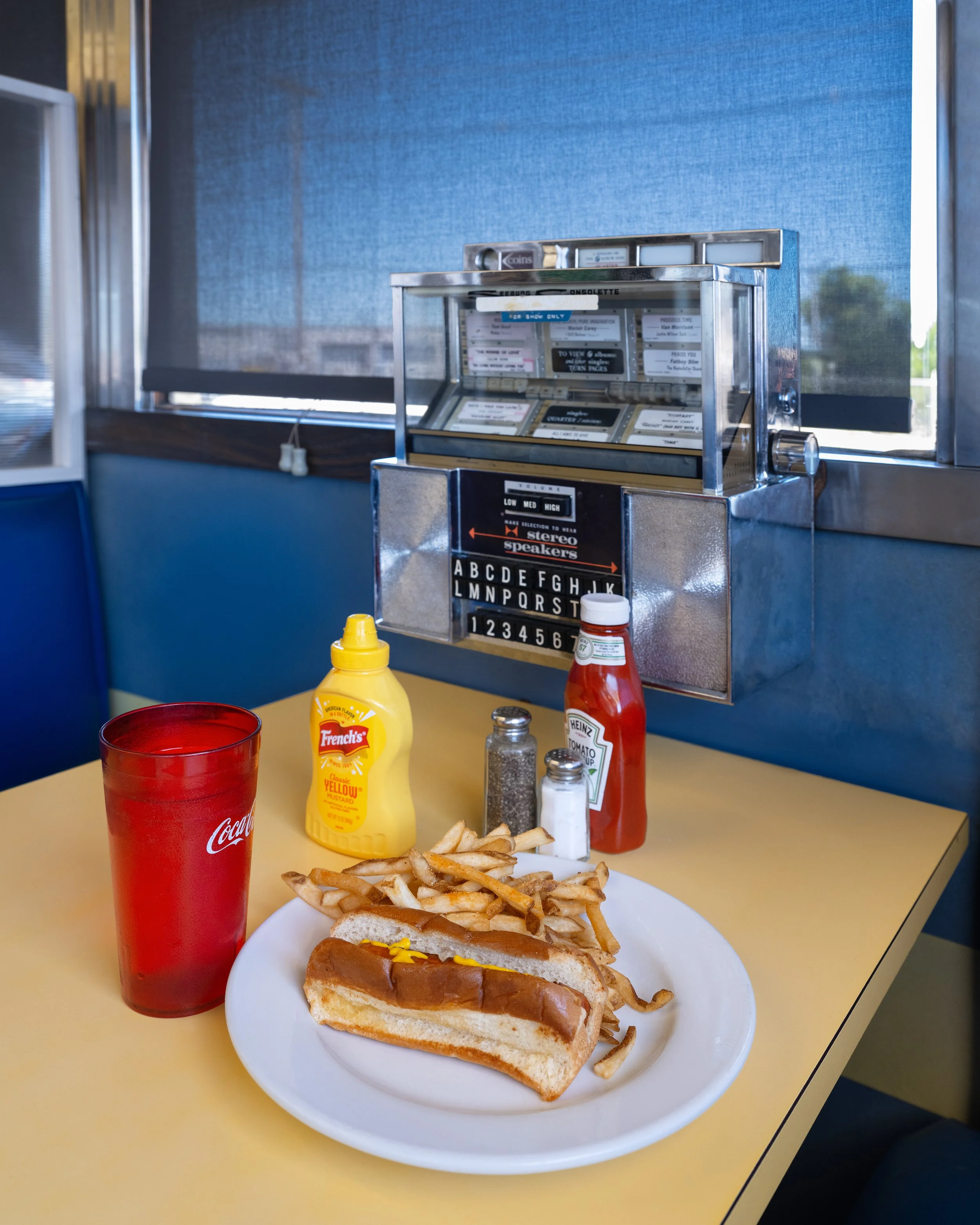
In this staged, red, white and blue photograph of a plated hot dog in a vintage diner in Providence Rhode Island, part of her new series Atlantic Coast (2025), Anastasia Samoylova (b. 1984) subverts documentary tradition by confronting revealing subtle tensions in the “American Dream."

Bisa Butler’s (b. 1973) Hot, Cool and Vicious (2022), made of cotton, silk, vinyl, silk screened cotton and glitter, subverts the traditional craft of quilt-making, transforming it into a medium for grand portraiture by reimagining a 1987 photograph of the hip-hop group Salt-N-Pepa to reclaim a folk-art tradition and celebrate Black cultural identity.
All Eyes on the Art in the Magic City
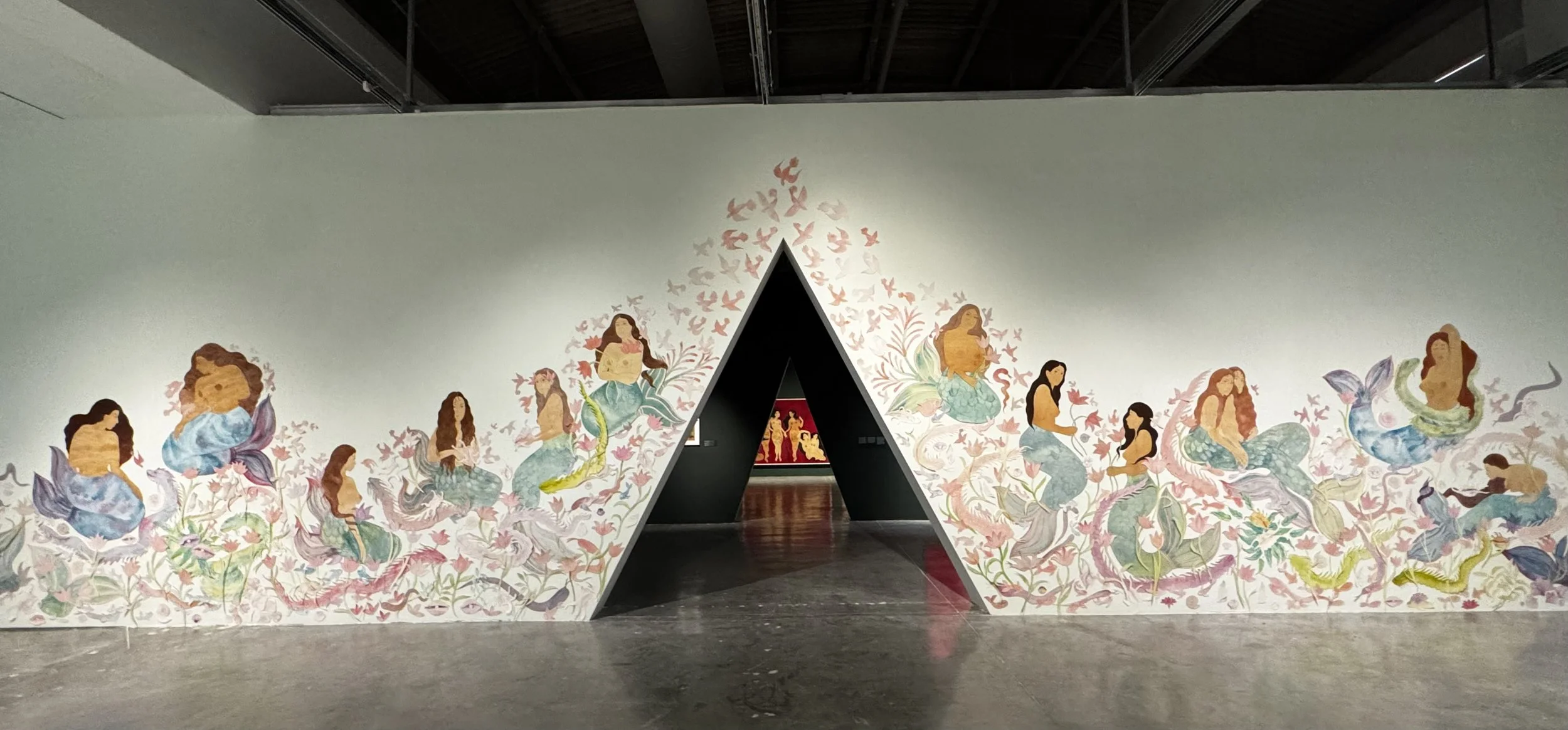
For many reasons, the Miami museum show we’re most excited about sharing with clients this December is Hiba Schahbaz's (b. 1981) The Garden at the Museum of Contemporary Art North Miami. The Pakistani-born, Brooklyn-based artist has mastered the art of revising the storied tradition of Indo-Persian miniature painting from a feminist perspective.
There's always so much to see in Miami, but never more so than in December, with Art Basel bathing the city’s evenings in seductive evening hues of teal, orange and lavender.
From major institutions like PAMM and the Rubell to the fascinating neighborhoods of Allapattah and Little River, there’s just to much to see — and that’s before the truckloads of art even begin to make their way towards the Miami Beach Convention Center.
Each iteration makes an impact on me, and this year I hope I remember it by the first solo museum show for Hiba Schahbaz and a powerful homecoming for Miami-native Woody De Othello.
For curious and passionate connoisseurs of transformative art experiences, Charting Transcendence provides exclusive access and expert guidance during Art Basel and in major art capitals worldwide.
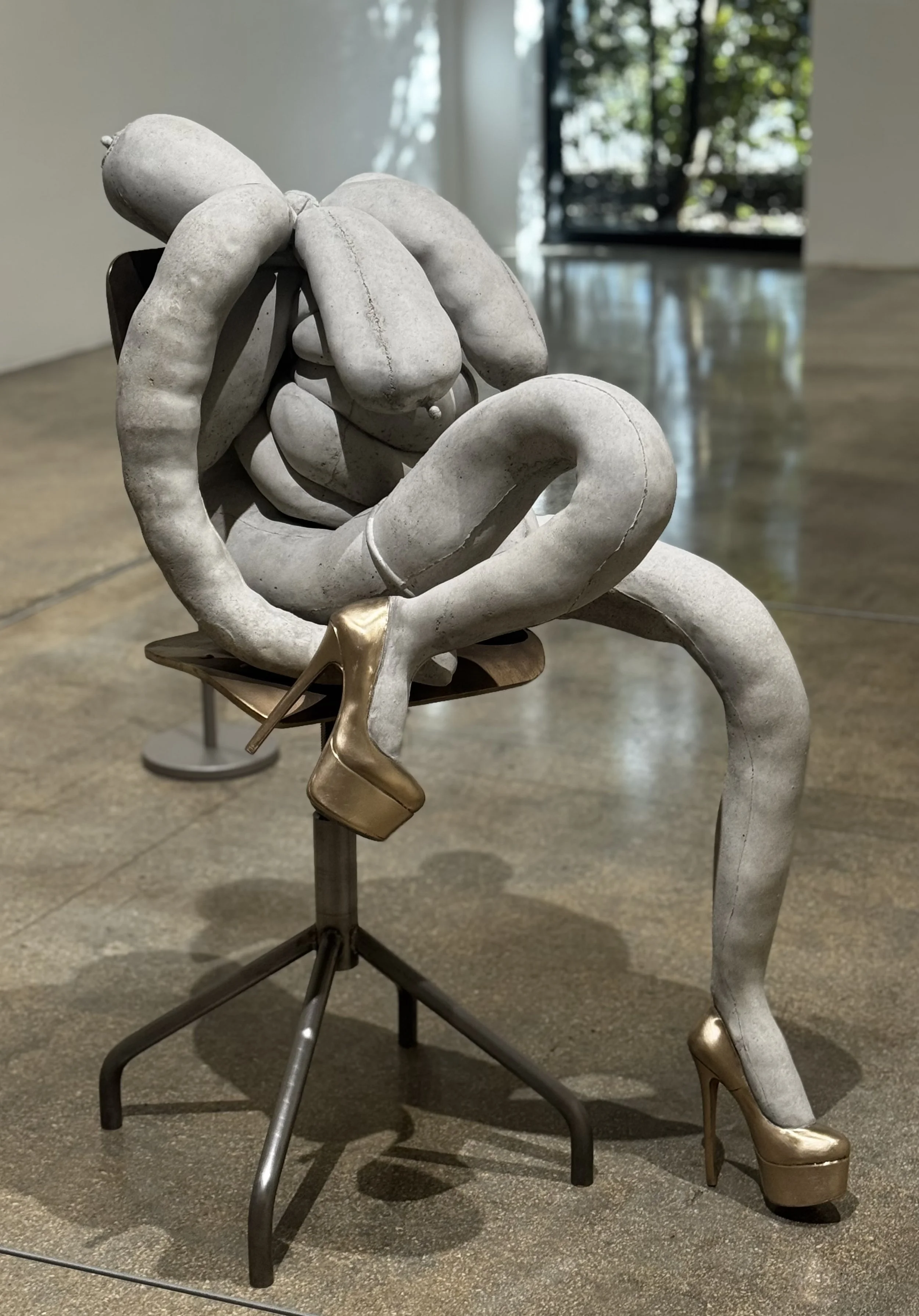
The Rubell Museum's recently acquired Sarah Lucas’ (b. 1962) ANGEL (2022) — a work of concrete, bronze, and steel — an example of her irreverently challenging objectification into a single, potent and defiantly awkward object.
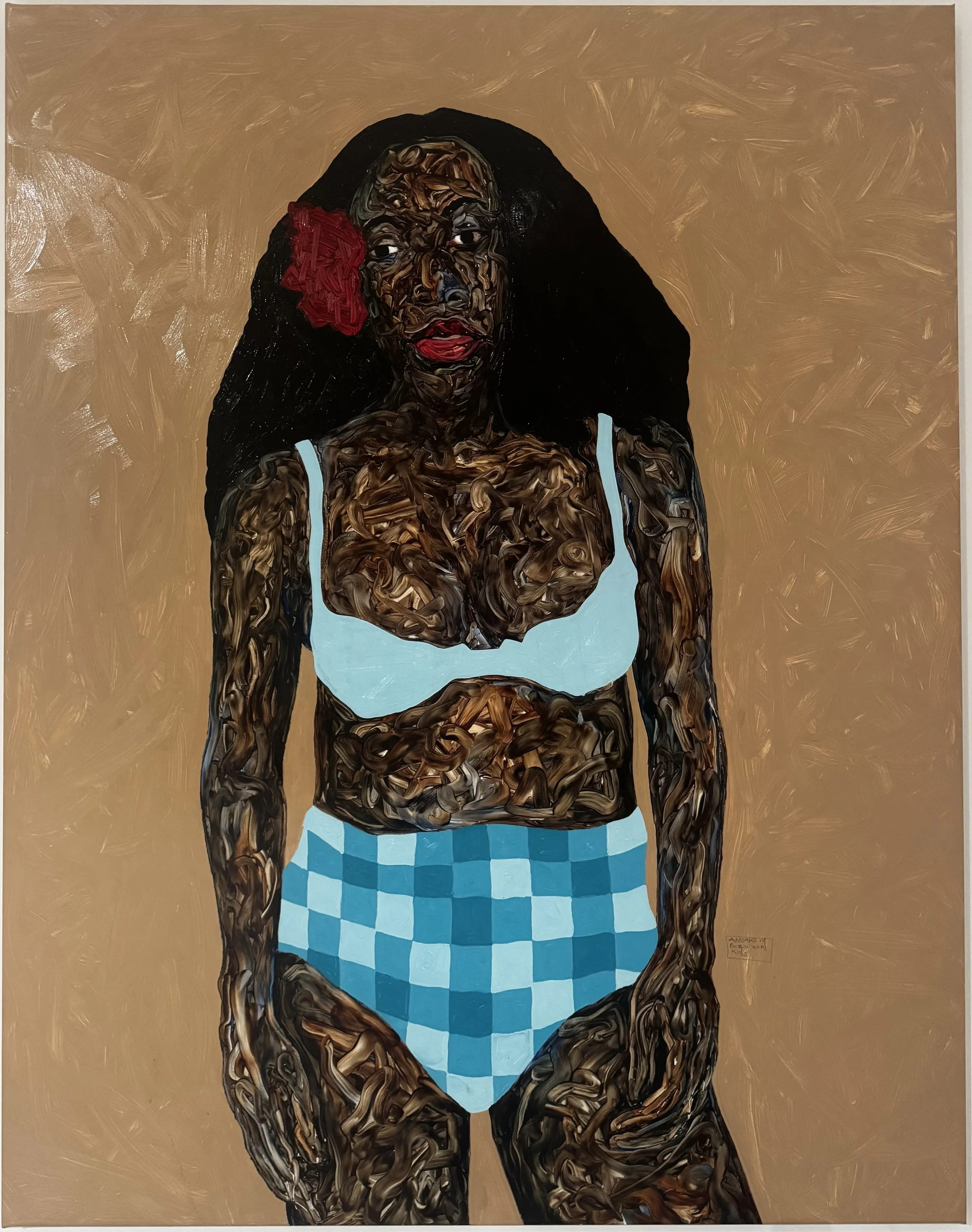
Now world famous for his unique style of Black portraiture, the paintings of Amoako Boafo (b. 1979), an artist-in-residence at the Rubell Museum in 2019, are again on display again there just in time for Miami Art Week.
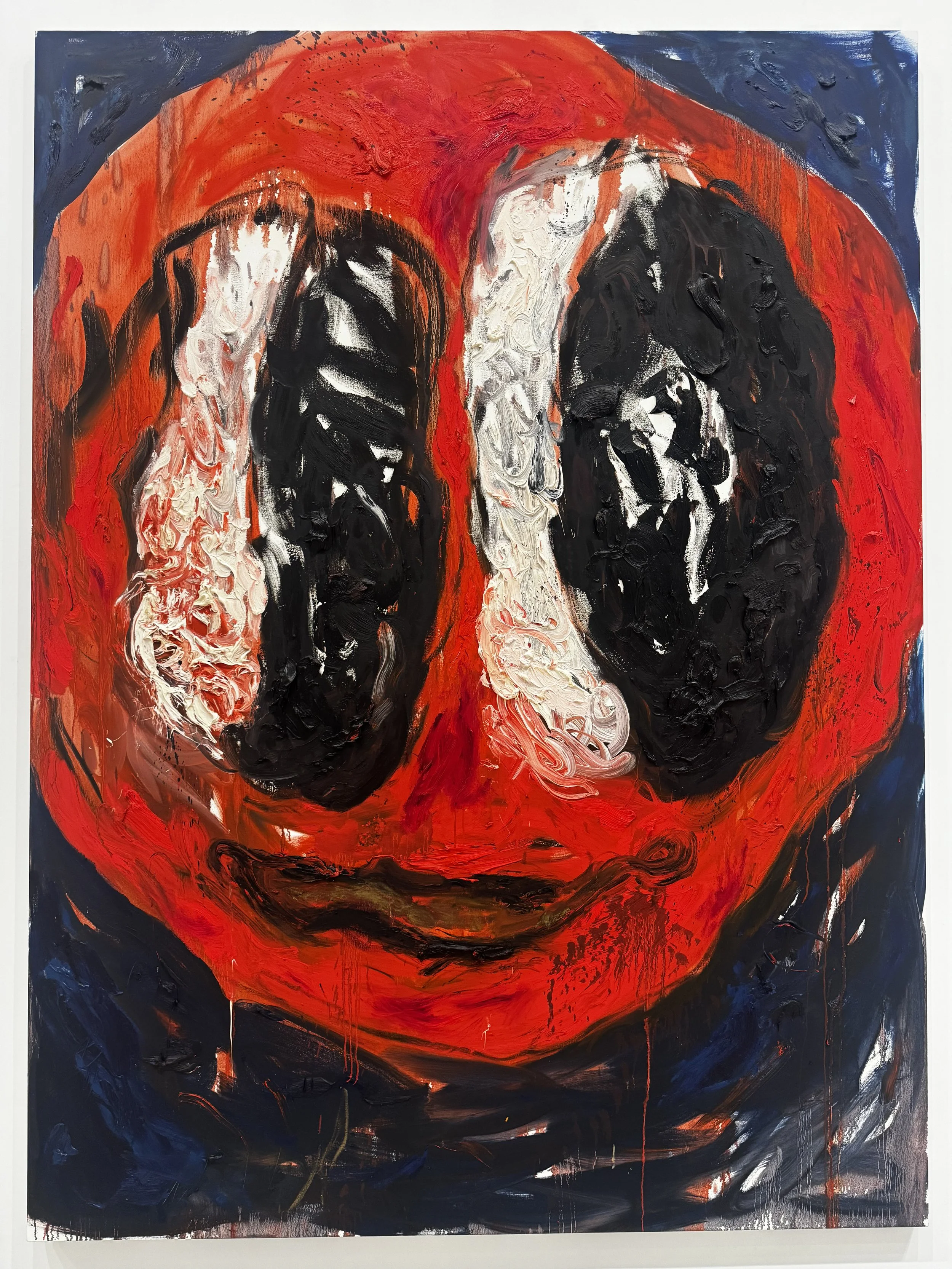
Friedens-Siemens XV (2004) by the German artist André Butzer (b. 1973), who is represented by Berlin's Galerie Max Hetzler, fuses the raw emotional intensity of expressionism with the bright, accessible language of American pop culture and cartoon aesthetics.
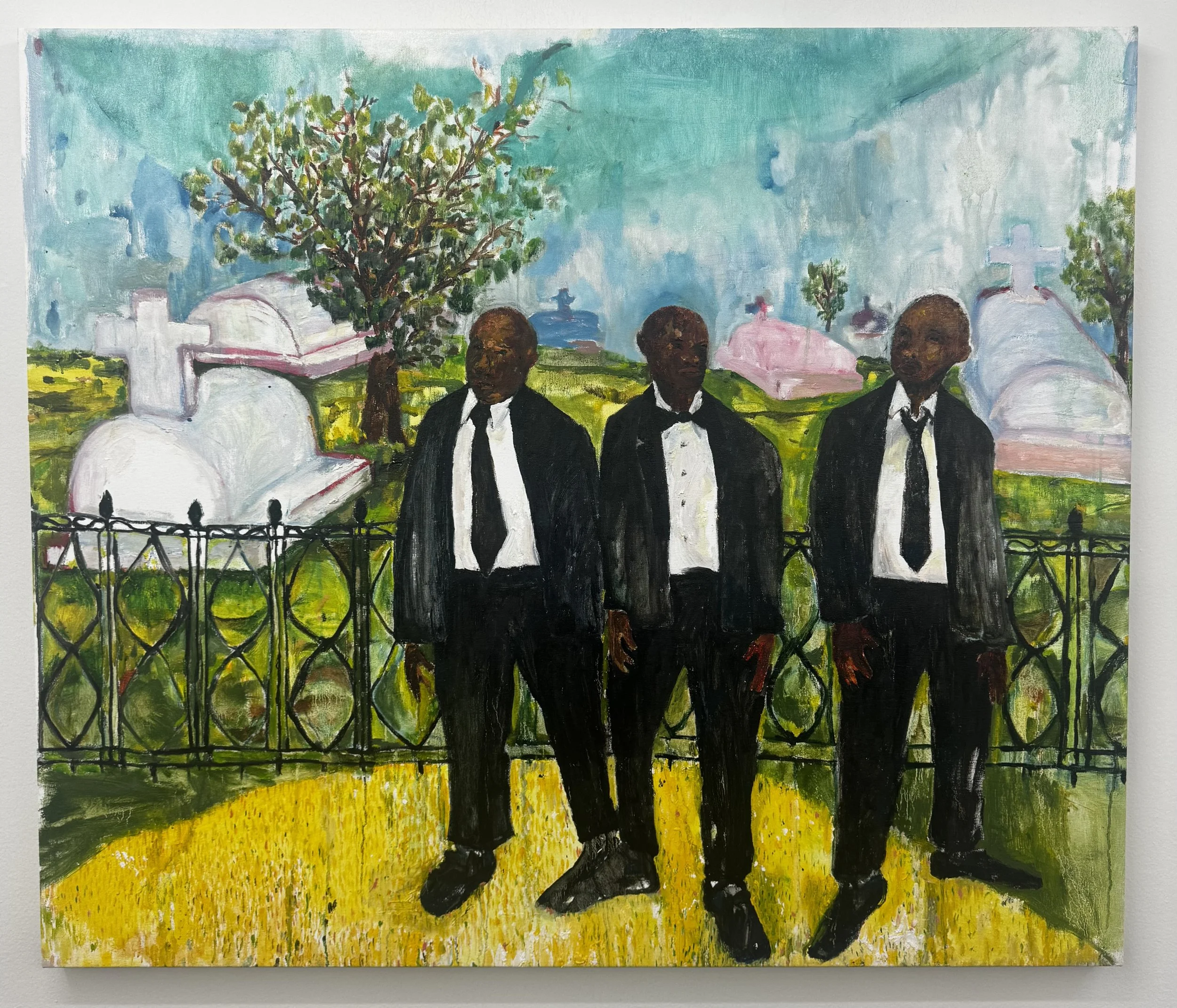
The Labor of Ascension (2025) by a modern master of Black figuration, Jared McGriff (b. 1977), offered by the Miami gallery that launched his career, Spinello Projects, which is celebrating the 20th year since its founding.
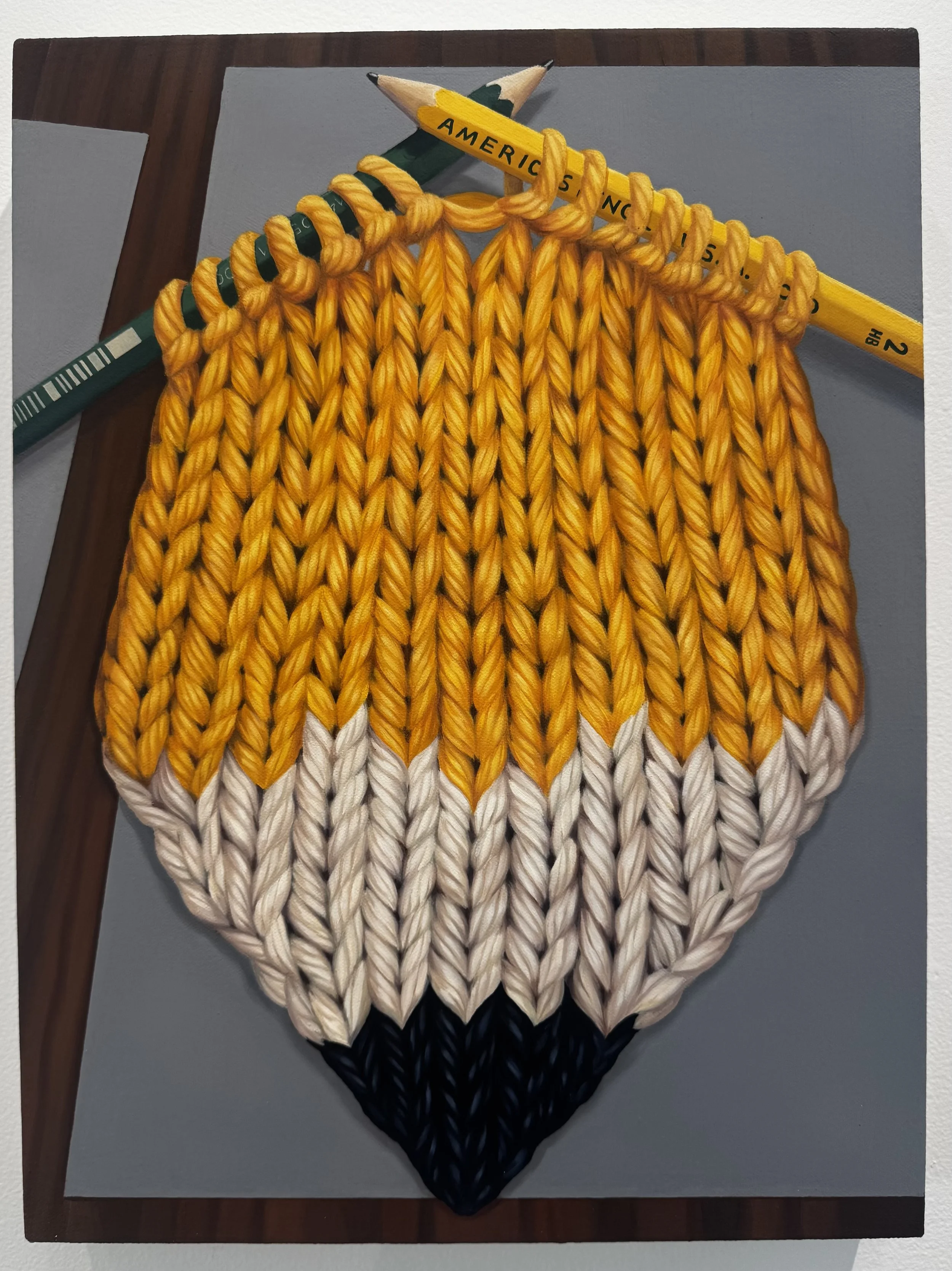
Although her solo show at Little River’s Primary Projects recently closed, the Minneapolis-based painter Sarah Suppan (b. 1994) has a lot to celebrate, given that her affordable and playful trompe l’oeils have caught CT’s eye many times in multiple cities over the past year.
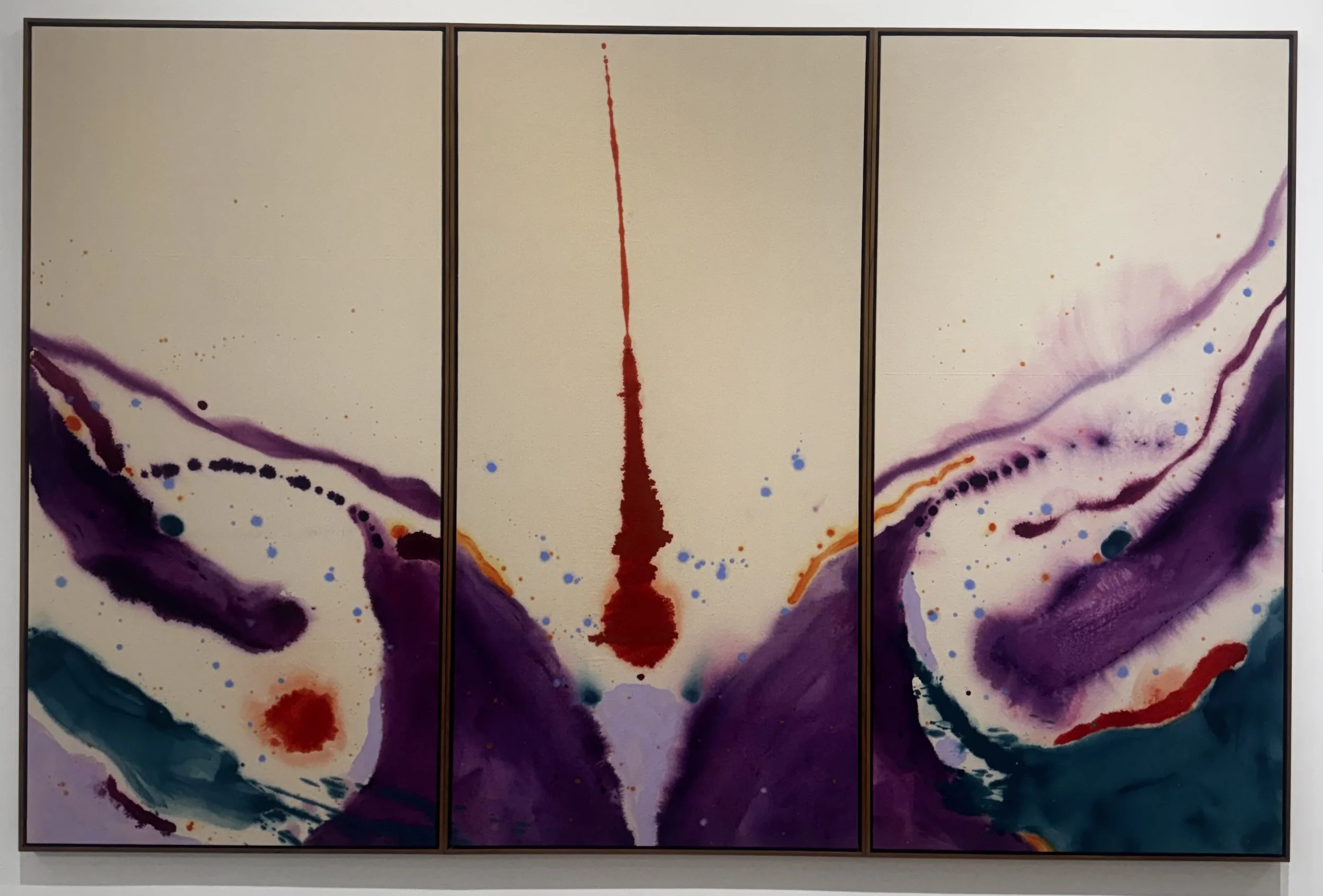
A vibrant abstract expressionist triptych, Violeta Maya’s (b. 1993) Mi version del origen del mundo (2024) in the collection of El Espacio 23 reimagines Gustav Courbet's (1819-1877) classic, L’’Origine du Monde (1866) through a contemporary lens of gestural brushwork and lush color.
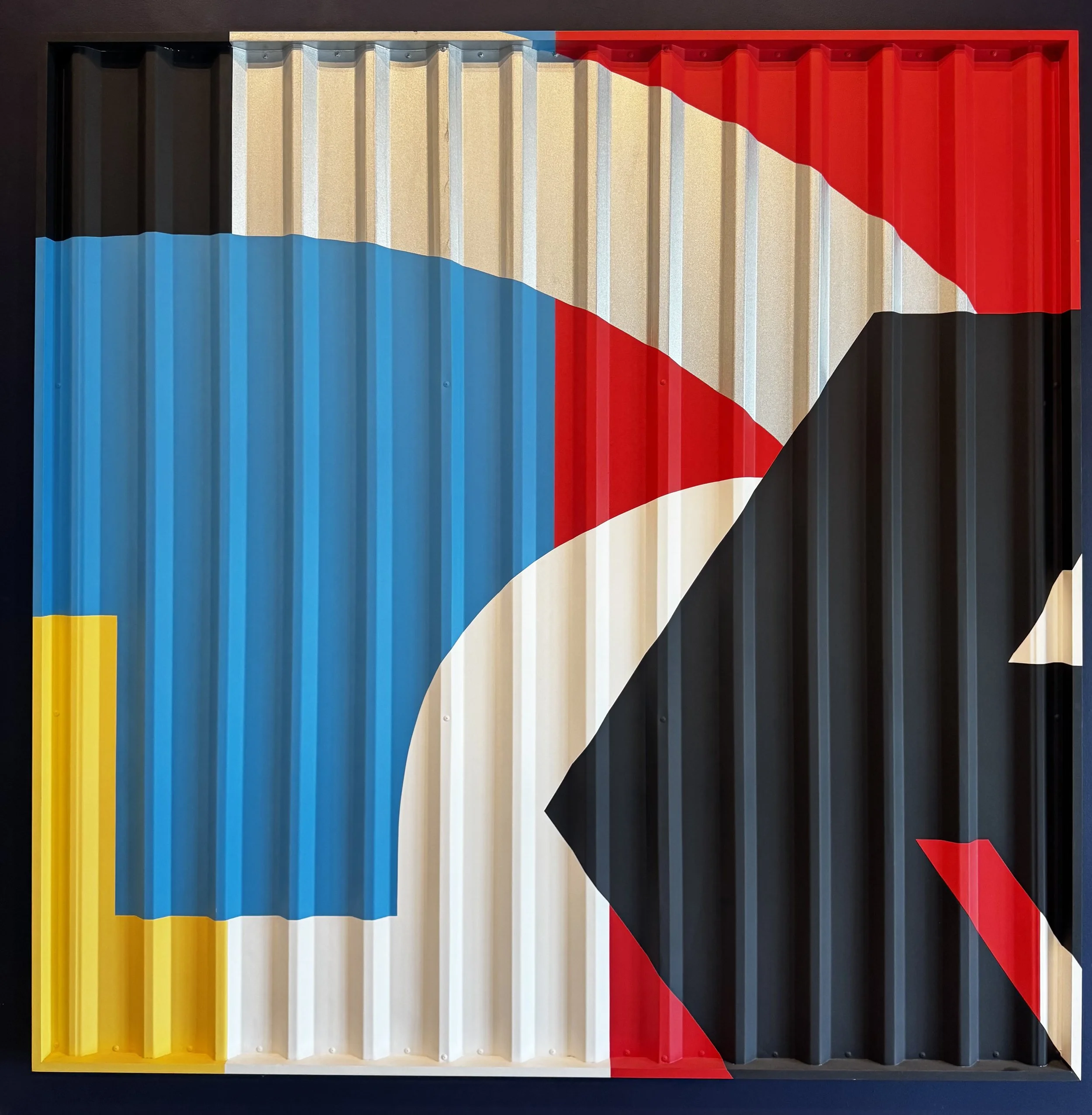
Alejandro Sanchez (b. 1981), represented by Bogotá- and Miami-based Galeria La Cometa, geometric abstraction, using the universal symbol of globalized trade as a canvas to channel the rich, constructive legacy of Latin American modernism.
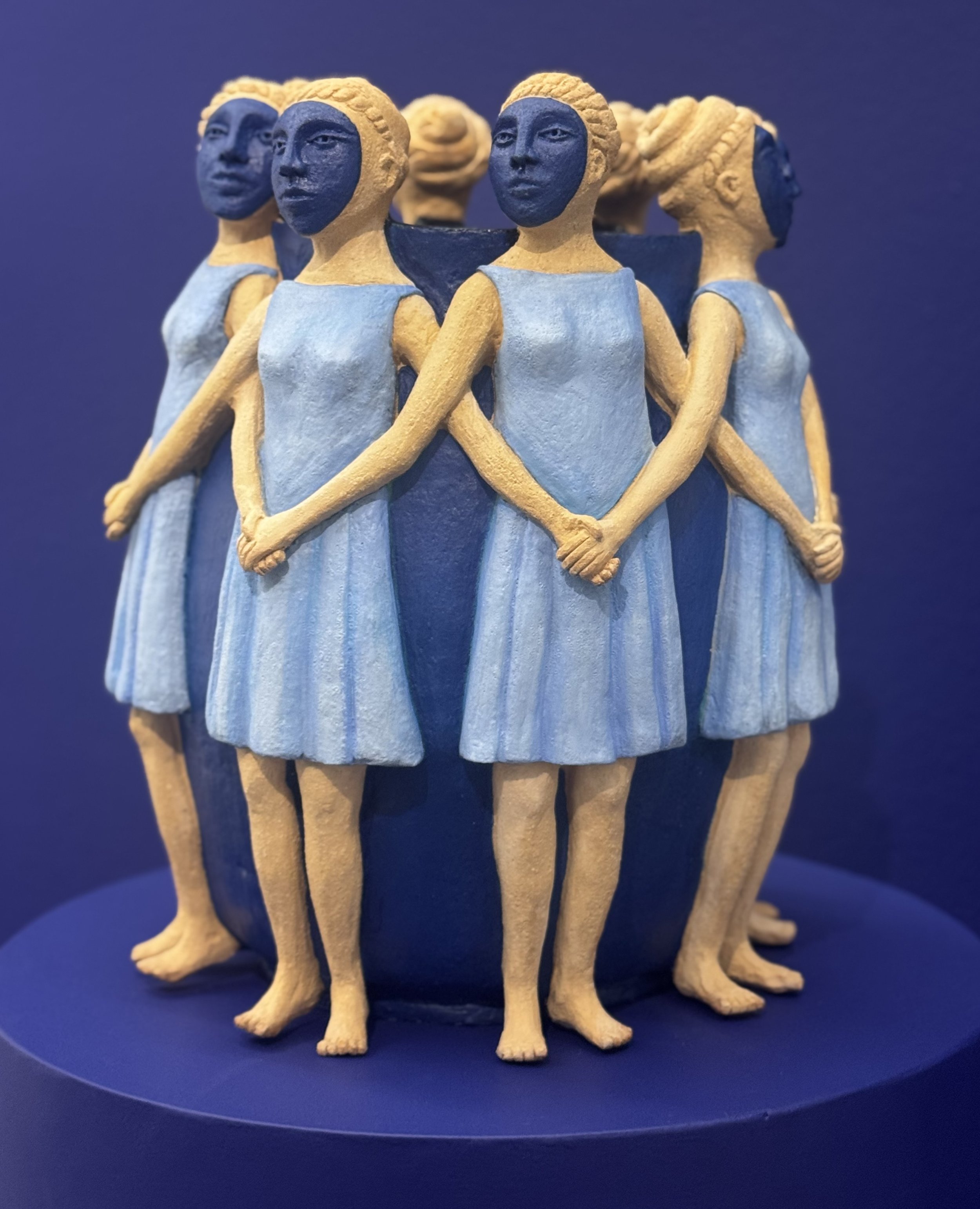
In new ceramic sculpture at Spinello Projects, Nina Surel (b. 1971) continues to explore feminine narratives and themes of fertility that defined her acclaimed Greta Chamotta/Great Love solo booth at Art Basel Miami Beach 2024.
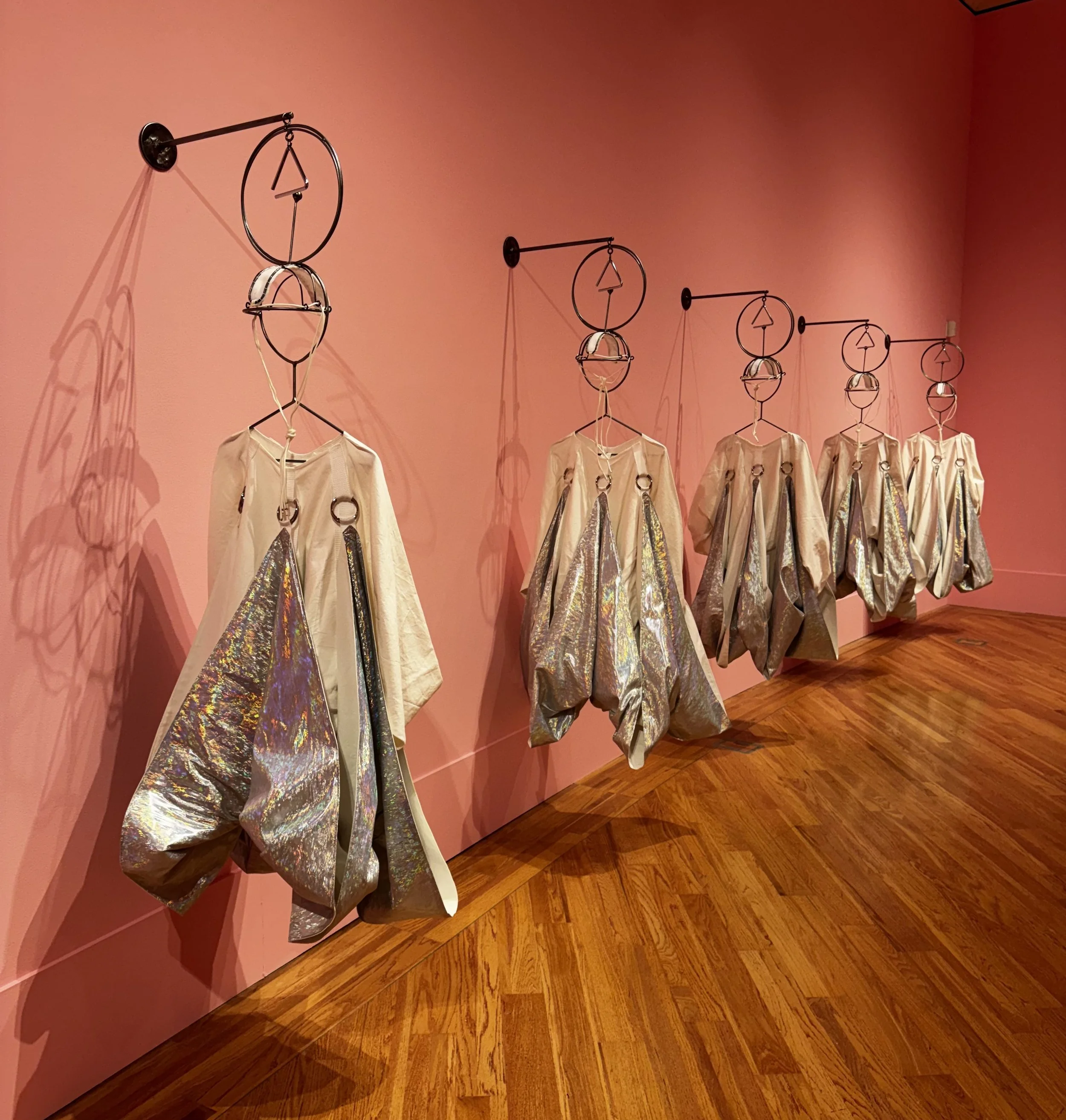
Eduardo Navarro’s (b. 1979) multidisciplinary concept Cloud Museum, which earlier this year debuted at the Walker Art Center in Minneapolis, reimagines what it means to be a cloud at the Frost Art Museum at Florida International University.
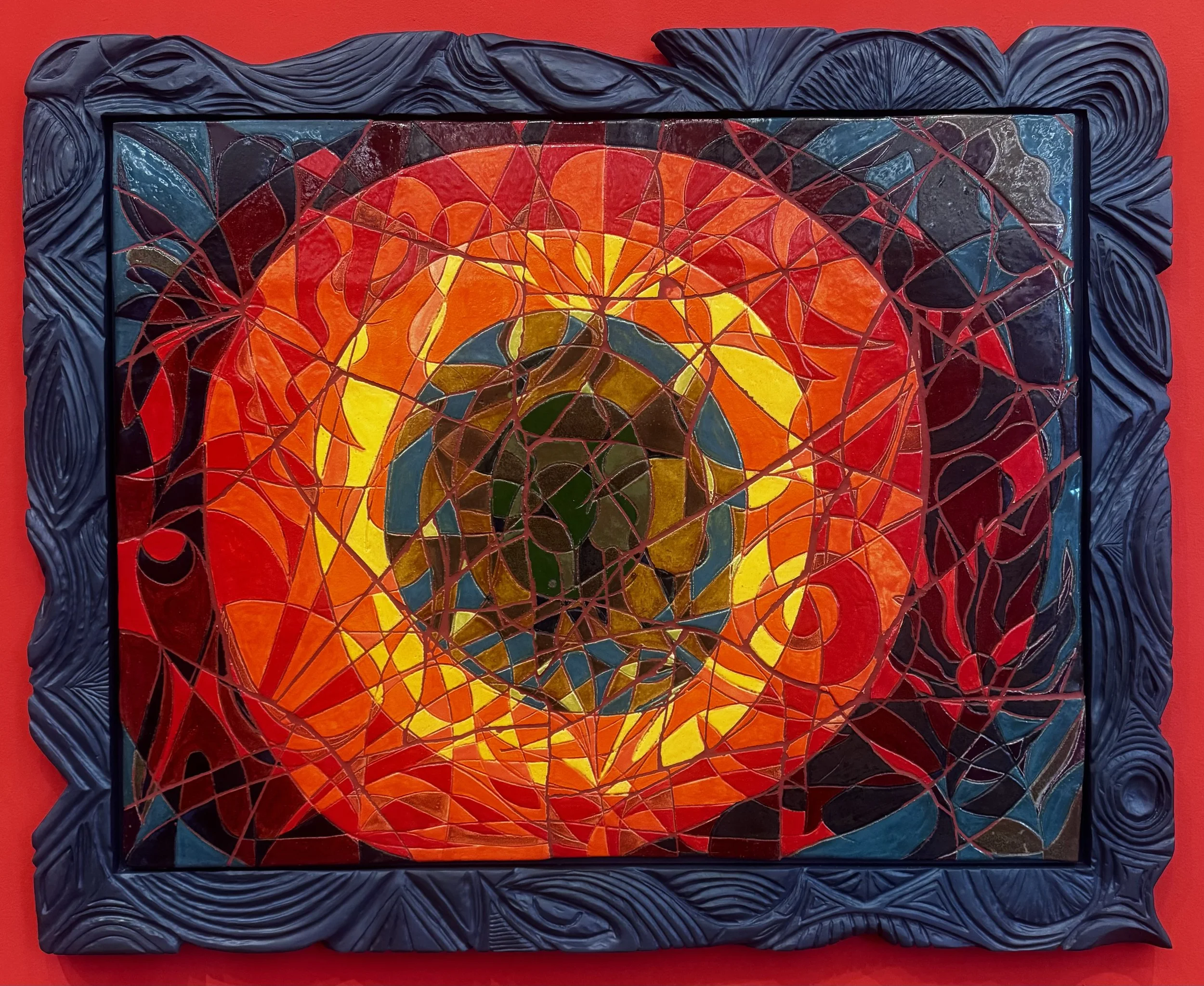
In coming forth by day, his first solo museum exhibition in his hometown, Miami-born Woody De Othello (b. 1991) presents multi-colored ceramic wall works that blur the line between sculpture and painting, continuing PAMM's tradition of celebrating artists with local roots.
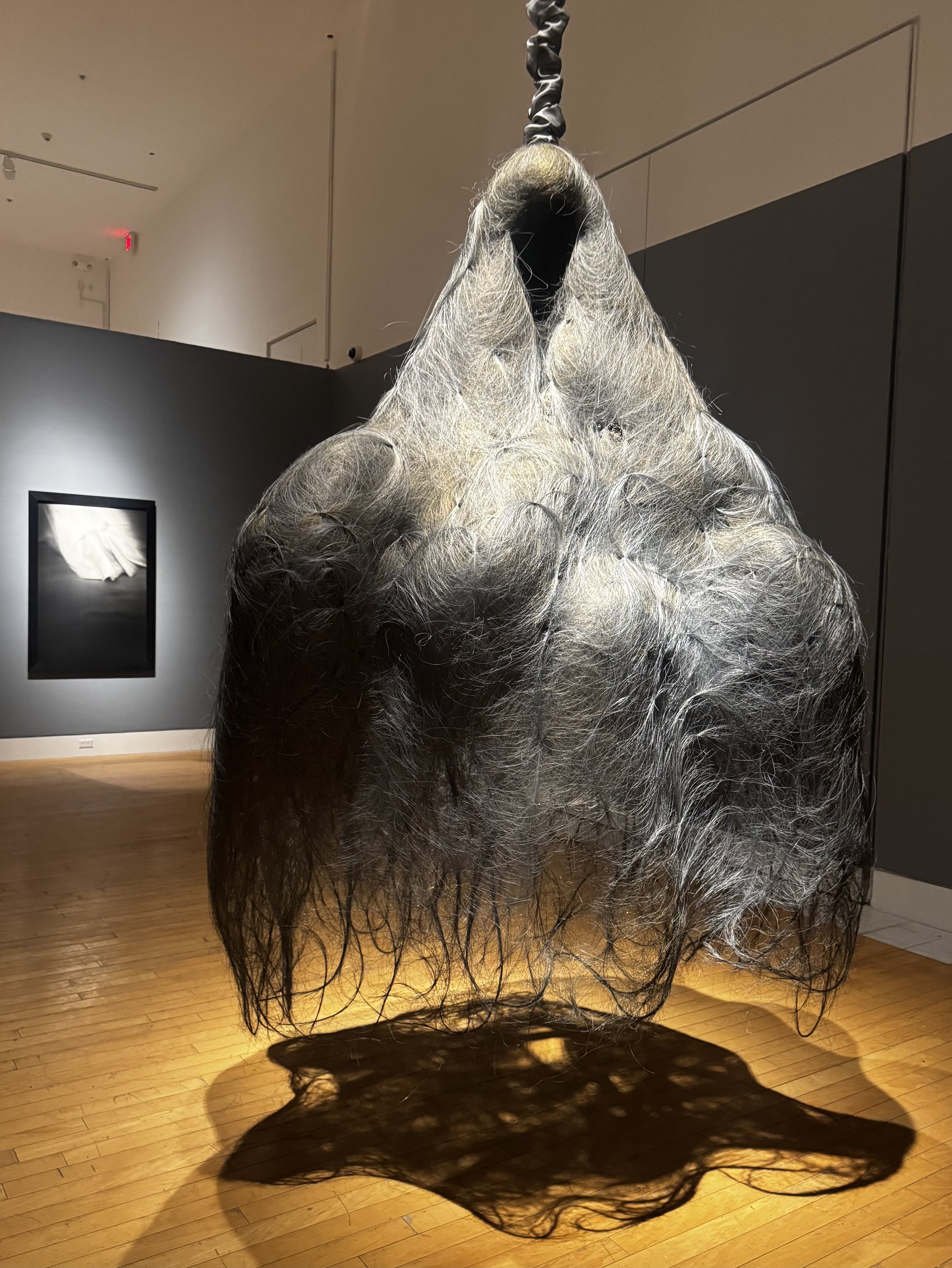
Petah Coyne’s (b. 1953) exhibition How Much A Heart Can Hold at the Lowe Art Museumi features sprawling sculptures, crafted from silk flowers, wax, velvet, human hair, and other unorthodox materials — that explore the weight of expectation, grief, and memory.
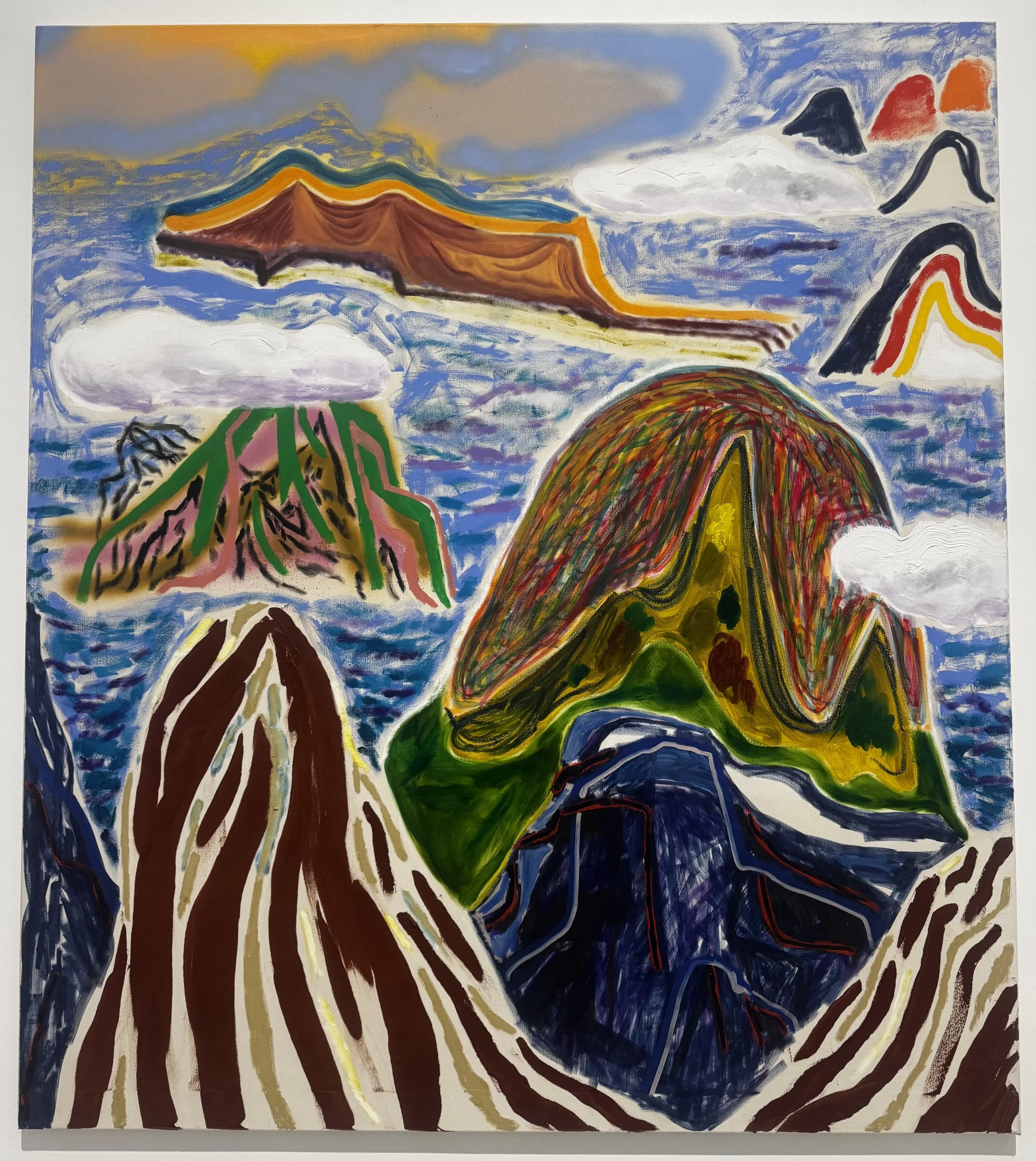
Islands in the Sky (2017), by the highly sought after painter Shara Hughes (b 1981), recently went on display for the season at El Espacio 23 in its annual show entited A World Faraway, Nearby, and Invisible.
